


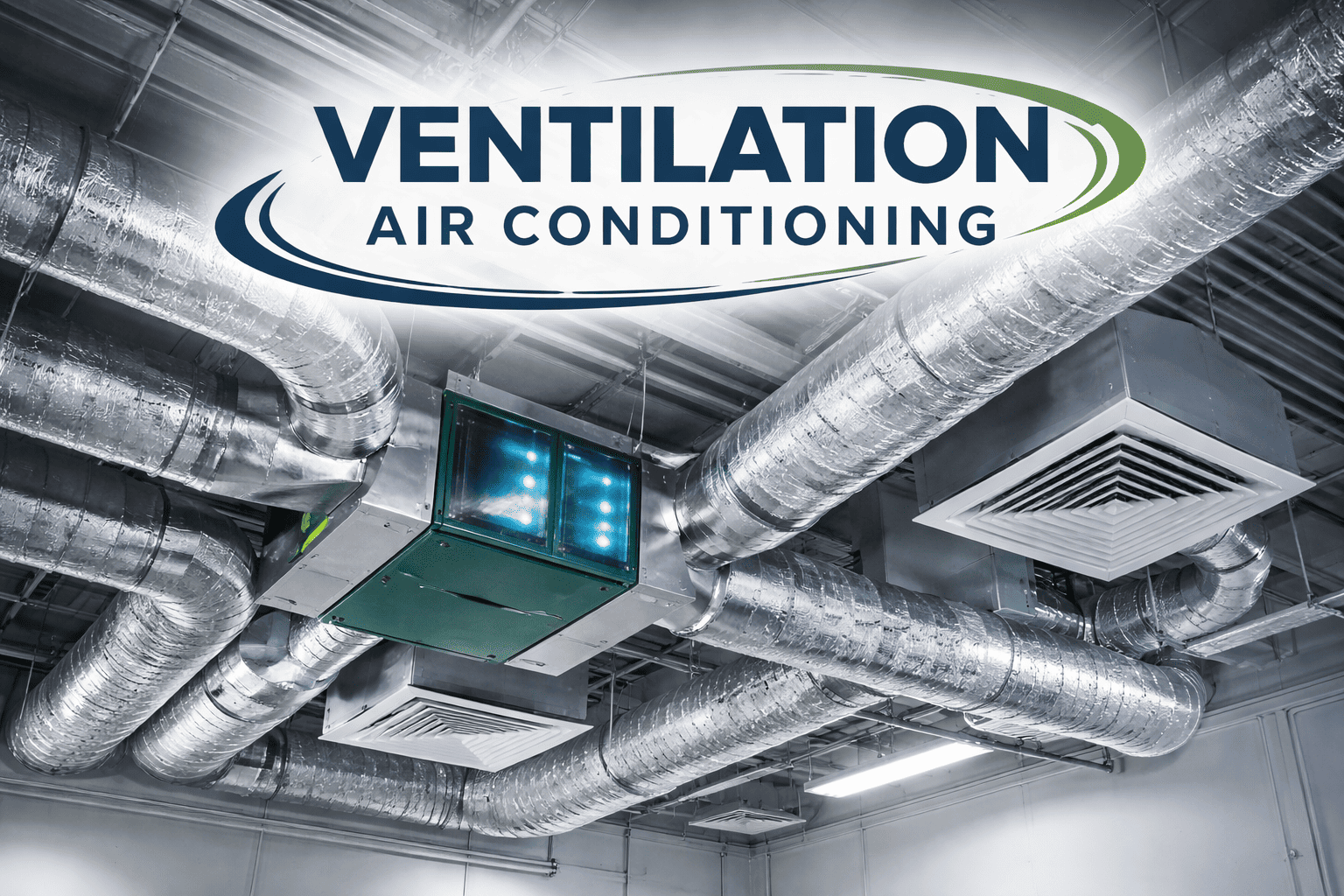
Ventilation System - toilet exhaust and fresh air systems
1) Toilet Ventilation Exhaust System
A toilet ventilation exhaust system is designed to continuously remove foul odors, excess moisture, and airborne contaminants from restrooms and discharge them safely outside the building. It plays a critical role in maintaining hygiene, preventing dampness-related damage, and ensuring occupant comfort.
Purpose
-
Remove unpleasant odors and harmful gases
-
Control humidity and prevent mold/mildew growth
-
Improve indoor air quality (IAQ)
-
Maintain negative pressure inside toilets to stop odor spread to adjacent areas
Main Components
-
Exhaust Fan: Mechanical fan that extracts air from the toilet area.
-
Ducting System: GI/Aluminum/PVC ducts that carry contaminated air to the outside.
-
Grilles/Diffusers: Installed at ceiling or wall level for air extraction.
-
Backdraft Damper: Prevents reverse airflow when the fan is off.
-
External Louver/Outlet: Safely discharges air outdoors.
-
Control Panel/Switch: For operation (manual, timer-based, or sensor-based).
Working Principle
The exhaust fan creates negative pressure inside the restroom, pulling stale air through the grille into ducting and expelling it outdoors. Fresh air enters naturally through door gaps, louvers, or from a dedicated fresh air system to maintain airflow balance.
Design Considerations
-
Air changes per hour (ACH): Typically 10–15 ACH for toilets
-
Proper duct sizing to reduce static pressure
-
Noise control
-
Regular maintenance and cleaning
2) Fresh Air System
A fresh air system supplies treated outdoor air into a building to maintain proper ventilation, dilute indoor pollutants, and ensure adequate oxygen levels for occupants.
Purpose
-
Provide continuous supply of clean outdoor air
-
Dilute indoor contaminants and CO₂ levels
-
Maintain positive pressure in occupied areas
-
Improve occupant comfort and health
Main Components
Fresh Air Fan (FAF): Draws outdoor air into the system.
Air Filters (Pre & Fine Filters): Remove dust and particles.
Air Handling Unit (AHU) / Treated Fresh Air Unit (TFA): Conditions air (cooling/heating if required).
Ducting Network: Distributes fresh air to rooms.
Diffusers/Grilles: Supply air evenly into occupied spaces.
Volume Control Dampers (VCD): Regulate airflow.
Working Principle
Outdoor air is drawn by the fresh air fan, filtered, and optionally cooled or heated before being supplied through ducts and diffusers into indoor spaces. The system maintains air balance by coordinating with exhaust systems.
Design Considerations
-
Required fresh air quantity (as per occupancy and standards)
-
Filtration efficiency
-
Energy efficiency
-
Proper air balancing
Combined Operation
In most commercial and residential buildings:
-
Toilets are kept under negative pressure (exhaust > supply).
-
Occupied areas are maintained under slight positive pressure (supply > exhaust).
Together, the ventilation exhaust and fresh air systems ensure:
-
Healthy indoor air quality
-
Odor-free environment
-
Moisture control
-
Compliance with HVAC and safety standards